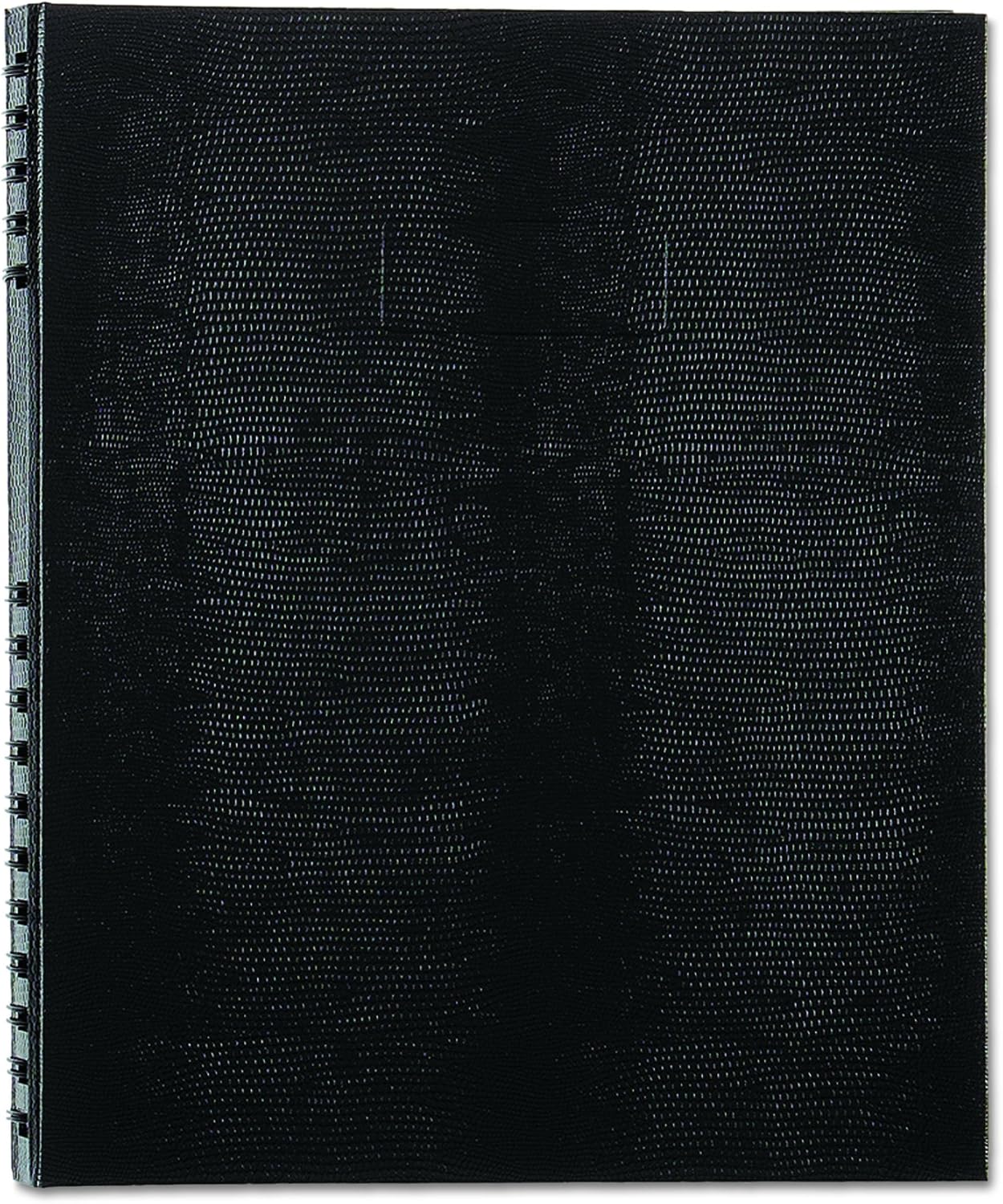
Blueline NotePro A10150
Made in Canada
Ships from Amazon · Sold by Amazon.ca
11×8.5" · 150 pages · Made per blueline.com
Approx. CAD $20.76 at research time
Compare CRA Quick Method remittance to the regular method (HST collected − ITCs) for Ontario freelancers and sole proprietors. Built for Canadian small businesses— rates are editable; defaults follow CRA RC4058 for a permanent establishment in Ontario charging 13% HST.
Digital downloads
Quick Method vs Regular one-pager, filing checklist, folder map & worksheet. Pairs with this calculator.
Get Remit Pack — $14Mileage log, quarterly HST calendar, T2125 checklist & upgraded folder map. Stacks with Remit Pack.
View Tax Kit — $22Educational only — not tax advice. Confirm with CRA / a Canadian tax professional.
CRA defaults loaded for Ontario PE + 13% HST supplies: services 8.8%, goods for resale 4.4% (RC4058). Check before filing.
If your operating ITCs are above this amount, the regular method remits less in this estimate.
Same sales and rate as above; only HST-bearing operating expenses change. The Quick Method amount stays flat, while the regular amount drops as ITCs grow.
| Operating expenses (before tax) | ITCs | Quick Method | Regular | Lower |
|---|---|---|---|---|
| Enter your figures to see the table. | ||||
Estimate only, not tax advice. Capital-property ITCs are claimable under both methods, so they are left out.
After you compare methods, organize receipts, files & shredding · or browse a portable receipt scanner (photo, price & ratings below). As an Amazon Associate, HST Remit Lab may earn from qualifying purchases.
Includes: Quick Method vs Regular one-pager · filing checklist · receipt/ITC folder map · remittance worksheet (PDF + Excel). Educational only — not tax advice.
Get the Ontario HST Remit Pack — $14 Digital download · CAD $14 · GumroadPlain-English HST guides
Short guides to the questions people ask after running the calculator. Each one cites the CRA source it is based on. Educational only, not tax advice.
Formulas, a $60,000 worked example and the break-even expense level.
8.8% for services, 4.4% for goods, plus 5% GST and 15% HST rates.
Eligibility, election deadlines by filing frequency, and revoking.
Bookkeepers, accountants, tax preparers, lawyers, charities and public bodies.
The $30,000 small supplier tests and the 29-day deadline.
13% HST on the invoice, your HST number, and what CRA requires at $100 and $500.
Monthly, quarterly and annual due dates, including April 30 / June 15.
When the $3,000 rule applies and how to size each payment.
CRA's reporting-period thresholds and the trade-offs of switching.
Registering from the first fare, HST inside fares, and Quick Method math.
When services to non-residents are zero-rated, why they still count toward $30,000, and the Quick Method trade-off.
When stays are taxable, why Airbnb collects for hosts who are not registered, and the $30,000 rule.
Ontario sole props · FAQ
The calculator estimates remittance. Eligibility and electing Quick Method are separate CRA steps. Orientation only — not tax advice. Confirm every rule on Canada.ca before you act.
RC4058 says the Quick Method is for businesses with a permanent establishment in Canada whose annual worldwide taxable supplies (GST/HST included, with associates) are $400,000 or less in the first four or the last four of the last five fiscal quarters. Excluded businesses include bookkeeping, financial consulting, tax consulting and tax return preparation; legal, accounting and actuarial services; listed financial institutions; charities and public institutions. Confirm the current list in CRA RC4058. This site does not decide whether you qualify.
Usually, yes. RC4058 says you can use Quick Method if you have been in business continuously throughout the 365-day period ending immediately before the reporting period you want it to start in, and you did not revoke a Quick Method (or simplified ITC method) election during that same 365 days. If you revoked an earlier election, you generally wait at least one year from the date the revocation took effect before you can elect again.
New registrants: if you have not been in business for a full year, you may still elect if you can reasonably expect your revenues from worldwide taxable supplies (with associates, GST/HST included) to be $400,000 or less in your first full year of business. Sources: CRA RC4058, “Determine if you can make this election” and Streamlined Accounting (GST/HST) Regulations, s. 16 and 18.
RC4058 says the election generally stays in effect as long as your annual worldwide taxable supplies (GST/HST included, with associates, including zero-rated supplies) do not exceed $400,000. If they do, you have to switch to the regular method. The switch date depends on how you file:
In the RC4058 example, a quarterly filer with a December 31 year-end had $416,000 of tax-included sales in 2024, so it moved to the regular method on April 1, 2025. Leave out financial services, sales of real property and capital assets, and goodwill from the sale of a business when you add up sales. Source: CRA RC4058, “Duration of this election”. Close to the line? Compare both methods in the calculator.
Yes in the usual case. Quick Method changes how you remit, not the HST rate printed on the invoice. Ontario remittance defaults in this tool are 8.8% of tax-included supplies for services (goods for resale 4.4%) for a permanent establishment in Ontario on 13% HST supplies. See all Ontario Quick Method rates.
When the election is in effect at the start of the fiscal year, you may deduct 1% of the first $30,000 of eligible tax-included supplies (maximum $300 per fiscal year). Toggle it off in the calculator if it does not apply to you.
Step-by-step guide: how to elect the Quick Method.
When the HST you paid on everyday business purchases is below the break-even amount. With this calculator's default inputs ($80,000.00 of Ontario service sales), the Quick Method remittance is $7,655.20 against $10,400.00 of HST collected, so the break-even is $2,744.80 of ITCs, about $21,113.85 of 13%-taxed expenses. Spend less than that and the Quick Method usually wins. See the full comparison.
Only for some purchases. RC4058 lets Quick Method users claim ITCs on capital assets such as computers and vehicles, on real property, and on certain other listed items. Day-to-day expenses such as supplies, phone and software are not claimed separately.
For an annual filer who is an individual with business income and a December 31 year-end, the return is due June 15 and any balance owing must be paid by April 30. Monthly and quarterly filers file and pay one month after each period. See HST filing deadlines.
| Feature | Regular method | Quick Method |
|---|---|---|
| What you remit | HST collected − ITCs | 8.8% × tax-included sales, minus the 1% credit |
| ITCs on day-to-day expenses | Yes, with receipts | No |
| ITCs on capital assets and real property | Yes | Yes |
| Extra credit | None | 1% of the first $30,000 (max $300) |
| Who can use it | Every registrant | Up to $400,000 of taxable supplies; some professions excluded |
| Default example ($80,000 of sales) | $10,400.00 − your ITCs | $7,655.20 |
Québec filers generally elect with Revenu Québec (e.g. FP-2074) instead of GST74. Multi-province supplies and capital-property ITCs under Quick Method are outside this FAQ. Always re-confirm on Canada.ca or with a qualified tax professional before filing.
Buy Canadian · Support Canadian workers
Prefer Made in Canada Blueline notebooks and receipt books where confirmed on blueline.com, then other Blueline Canadian brand stationery, preferring listings shipped and sold by Amazon.ca (Ships from Amazon / Prime when available). Soft add-ons for desk notes and paper receipts — supporting CA stationery workers.
Made in Canada
Ships from Amazon · Sold by Amazon.ca
11×8.5" · 150 pages · Made per blueline.com
Approx. CAD $20.76 at research time
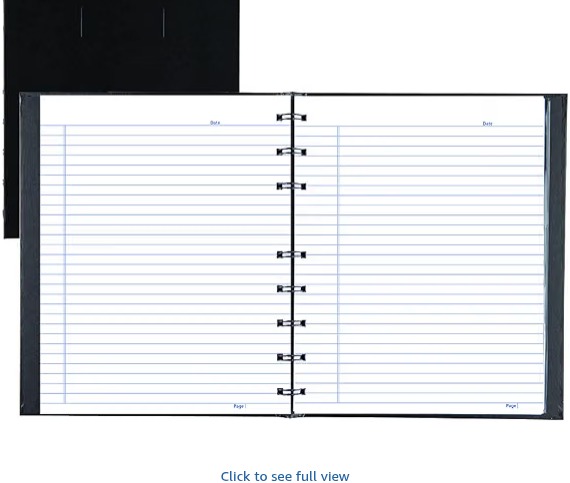
Canadian brand
Ships from Amazon · Sold by Amazon.ca
Hard cover · 192 pages · desk notes
Approx. CAD $18.49 at research time
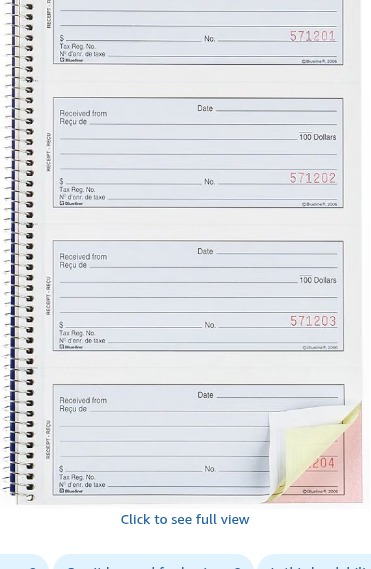
Canadian brand
Ships from Amazon · Sold by Amazon.ca
100 numbered triplicates · EN/FR
Approx. CAD $19.85 at research time
Made in Canada labels appear only where blueline.com marks the product Made in Canada; other Blueline items are labeled Canadian brand. More Blueline notebooks, including the letter-size NotePro, are in the bookkeeping supplies guide. Check the listing on Amazon.ca before buying. Purchases are not automatically deductible.
Imported alternatives · Amazon.ca
Soft add-ons for receipt capture, monthly filing, and secure disposal of client or personal paperwork—secondary to the remittance estimate above.
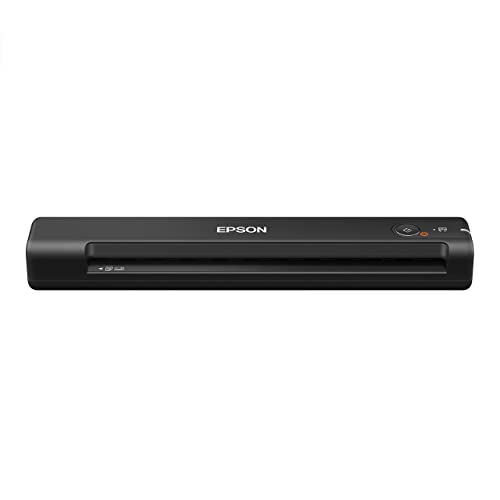
Imported alternative
Ships from Amazon · Sold by Amazon.ca
Scan receipts before thermal ink fades
Approx. CAD $149.99 (17% off $179.99 list) at research time
Imported alternative
Ships from Amazon · Sold by Amazon.ca
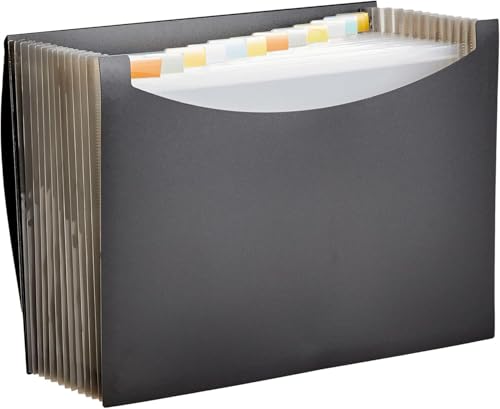
One pocket per month until you reconcile
Approx. CAD $12.62 at research time
Imported alternative
Ships from Amazon · Sold by Amazon.ca
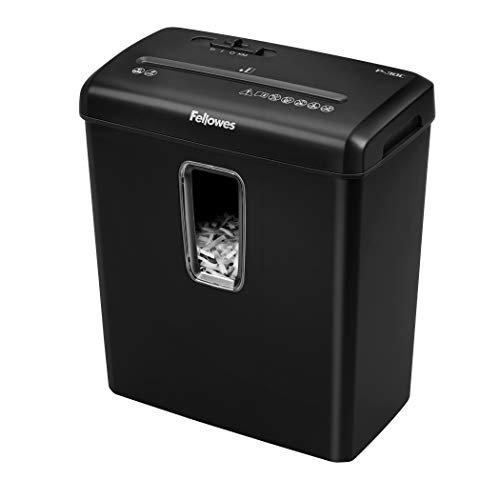
Deskside cross-cut when retention ends
Approx. CAD $72.97 at research time
More bookkeeping supplies Prefer Ships from Amazon / Prime when available. Purchases are not automatically deductible.
Assumptions used in this calculator (editable above). Source: CRA Guide RC4058 — Quick Method of Accounting for GST/HST. Rates for a permanent establishment in Ontario (HST 13% column) on supplies where HST at 13% applies. Checked via public CRA / secondary summaries as of 2026; always re-confirm on Canada.ca before filing.
| Business type | QM remittance rate | Applied to |
|---|---|---|
| Services (most freelancers) | 8.8% | Taxable supplies including HST |
| Goods purchased for resale | 4.4% | Taxable supplies including HST |
| 1% annual credit | 1% of first $30,000 | Eligible tax-included supplies / fiscal year (up to $300) |
Eligibility (e.g. ~$400,000 taxable-supplies threshold, excluded professions, GST74 election timing) is not validated by this calculator. Certain capital-property ITCs may still be claimable under QM — not modelled here.
Imported alternatives · Amazon.ca
After you estimate remittance, keep source documents easy to find. Canadian-brand stationery is above; these imported tools cover scanners, filing, shredders and backup when a Canadian brand pick isn’t listed.
Imported alternative
Approx. CAD $149.99 (17% off $179.99 list) at research time
Imported alternative
Approx. CAD $12.62 at research time
Imported alternative
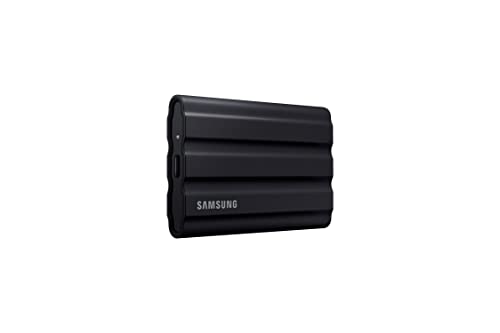
Approx. CAD $389.99 at research time
See all bookkeeping supplies Buying something does not automatically make it deductible—ask your accountant.